Japan's Clever Creations: Unlike Anything You've Ever Seen
12. "Gambling" Pachinko
Pachinko: Japan's Unique Gambling Form What It Is: A form of gambling permitted in Japan, despite the general prohibition on gambling for money.
Created: In the 1920s.
Average Cost per Token: Approximately $0.01–$0.05.
Overview of Pachinko Game Type: Pachinko machines are a type of arcade game that function similarly to Western slot machines, providing entertainment and a chance to win prizes.
Low-Stakes Exception: Pachinko represents a notable exception to Japan's gambling laws, allowing low-stakes gambling while still adhering to legal restrictions.
Prize Redemption Winnings: Players cannot redeem their winnings for cash or take them outside the facility. Instead, they typically receive prizes or tokens that can be exchanged for goods within the arcade. Conclusion Pachinko serves as a fascinating example of how cultural practices can adapt within legal frameworks. This unique form of entertainment highlights Japan's creative approach to gambling, blending amusement with the thrill of chance while navigating regulatory constraints.
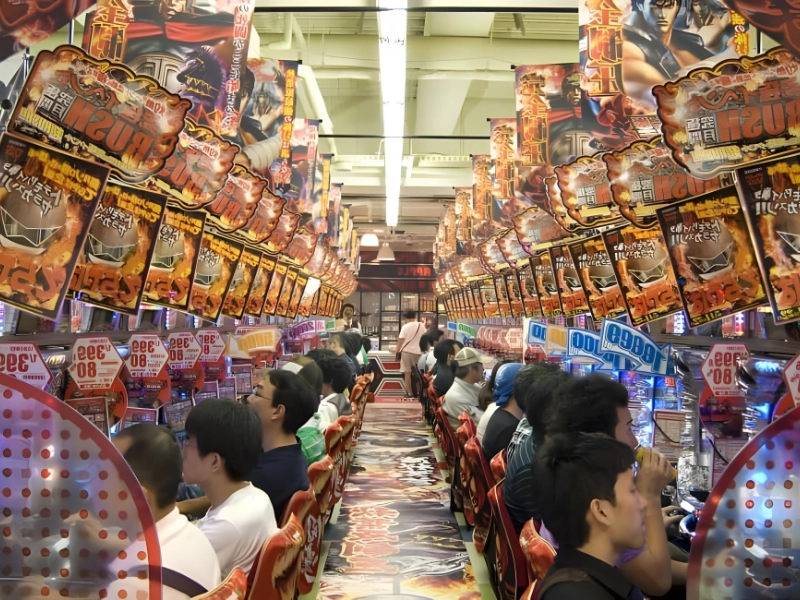
Pachinko: The Profitable Gambling Parlor
Prize Exchange Mechanism Token System: While winnings from pachinko cannot be directly redeemed for cash within the parlor, players can exchange their prizes for tokens. These tokens can then be exchanged for cash with a third-party vendor located off-site. Economic Impact Profitability: Pachinko parlors are incredibly lucrative, generating over $188 billion annually, making them a significant sector in Japan’s entertainment industry. Conclusion The unique structure of pachinko parlors allows them to operate within Japan's gambling regulations while still achieving remarkable financial success. This system not only highlights the adaptability of gambling practices in Japan but also underscores the substantial economic impact of pachinko on the country's economy.